Bullying is a widespread issue in schools around the world, affecting students’ academic performance, emotional well-being, and overall sense of safety. Today, we would learn about what Bullying actually is, and programmes that schools can adopt to minimise bullying incidents in schools.
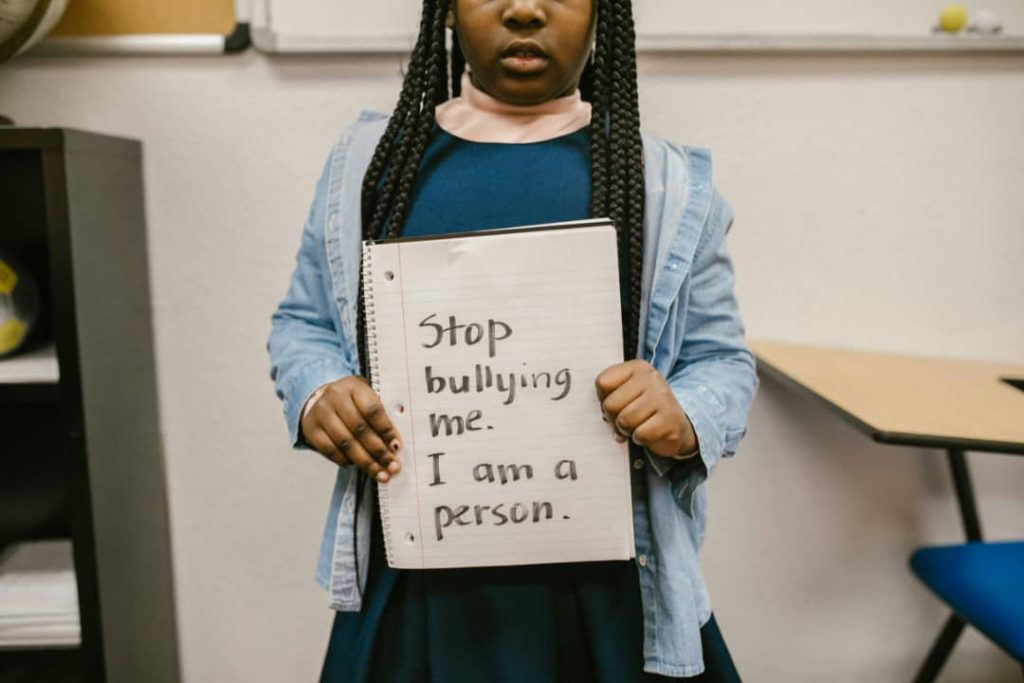
What Is Bullying?
Bullying is unwanted, aggressive behaviour involving a real or perceived power imbalance. According to the AntiBullying Alliance, “Bullying is the repetitive, intentional hurting of one person or group by another person or group, where the relationship involves an imbalance of power. Bullying can be physical, verbal or psychological. It can happen face-to-face or online”. Bullying can manifest in these forms:
- Physical Bullying: Hitting, pushing, or physical aggression.
- Verbal Bullying: Name-calling, insults, or threats.
- Social/Relational Bullying: Excluding someone, spreading rumours, or damaging social relationships.
- Cyberbullying: Harassment through digital platforms.
Bullying often involves repeated actions over time, which makes it important for schools to implement effective measures. Next, we will discuss some essential Bullying Prevention Programmes.
Bullying Prevention Programmes
Prevention programmes are essential to creating a safe, respectful, and inclusive environment. These programmes aim to reduce incidents, empower students and staff, and promote bully-free schools. Some internationally acclaimed Bullying Prevention Programmes include:
- Olweus Bullying Prevention Programme (OBPP): The Olweus Program is a comprehensive approach that includes schoolwide, classroom, individual, and community components. The program is focused on long-term change that creates a safe and positive school climate. It is designed and evaluated for use in elementary, middle, junior high and high schools (K-12). The program’s goals are to reduce and prevent bullying problems among school children and improve peer relations at school.
- Positive Behavioural Interventions and Supports (PBIS): PBIS is a framework for creating safe, positive, equitable schools, where every student can feel valued, connected to the school community and supported by caring adults. It is proven to help students with emotional regulation, and reduce bullying and harassment amongst others.
- AntiBullying Week: This is an initiative of the Antibullying Alliance UK. The Anti-Bullying Alliance (ABA) is a coalition dedicated to stopping bullying and creating safer spaces for children and youth. Founded by the NSPCC and National Children’s Bureau, the ABA supports schools, raises awareness through campaigns, and implements national and local programs, sharing expertise on all forms of bullying.
Safeglia’s Anti-Bullying Programmes
In addition to marking the Antibullying Week with the Antibullying Alliance, UK, Safeglia has comprehensive Antibullying Initiatives, services and activities for schools.
- The Antibullying Week Planner(s): The Safeglia Anti-Bullying Week Planner is a FREE helpful tool for schools and organisations to make Anti-Bullying Week impactful. It offers a range of activities, lessons, and resources aimed at promoting bully-free schools and the antibullying awareness among students. The planner encourages children to recognise bullying in its different forms, the roles the students can play and how to stand up against bullying. It includes tasks, badges, certificates and interactive activities for children of different age groups. It is available for Kindergarten/EYFS, Primary and Secondary schools.
- Antibullying Peer Support Programme For Students: The Antibullying Peer Support Training Programme is a 2-hour workshop designed for students in Key Stages 3 to 5. It helps students become supportive friends and leaders by teaching them to spot bullying, step in to help, mediate disagreements, and encourage kindness.
- Cyberbullying Awareness Workshop: This workshop is designed to educate students on the meaning, preventing, and responding to cyberbullying online.
While these programmes are international and cut across schools. Our next post will discuss effective strategies that schools can adopt on their own to curb bullying incidents in schools. If you have participated in any of the programmes mentioned in this post, be sure to share your feedback/reviews about them in the comments section below.



0 Comments