Hello Shielded Space, and a huge
welcome to those just finding our blog.
It is time we had a post about Bullying, and
how it can affect mental health. I might make this a three-part blog series,
who knows? However, our first focus today is what counts as bullying, what can cause a child to become a bully, and what are the predisposing factors to being bullied.

What Counts as Bullying?
Bullying is no longer confined to
just the physical realm, as it can manifest in various forms, leaving lasting
scars on young minds. According to recent statistics, around 130 million, orone-in-three children worldwide, experience some form of bullying. This
staggering figure highlights the need to have this conversation.
Bullying can be described as the intentional and repetitive use of words or actions to harm, intimidate or coerce someone or a group of people in a way that causes distress to their well-being.
Bullying can be verbal, social,
physical, or even cyber-based. Hurtful comments, exclusion, physical
aggression, and online harassment all fall under the umbrella of bullying. It is
essential to recognise these behaviours, in order to create a safer environment
for our children.
What Might Lead a Child to Bully
Others?
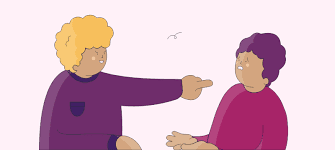
Understanding the motives behind
bullying is crucial in developing effective prevention strategies. Research
suggests that children who bully may have experienced challenging circumstances
themselves. Family issues, academic pressures, or a lack of emotional support
can contribute to aggressive bullying behaviour Other factors may include a desire for
recognition or higher social status, peer group reasons, peer pressure, recreation,
control and retaliation.
Moreover, societal factors like
exposure to violence, discrimination, or a sense of powerlessness may influence
a child’s inclination to bully. By unearthing the root causes, we can
approach interventions with compassion and understanding.
What Might Put Young People at Risk
of Being Bullied?

It is important to note that no
single factor makes a child get bullied, as bullying can happen to anyone at
any time, for any reason. However, research has shown some risk factors, and understanding these risk factors can give useful insight into the mind or minds of a bully or bullies.
Some children who stand out might become
targets. Whether it is because of their appearance, like being on the heavier
or lighter side, wearing glasses, or wearing a unique style – being perceived
as different can unfortunately make them vulnerable. In addition, children who are seen as not being able
to defend themselves may also find themselves in the crosshairs of bullies. I have also seen that sometimes, bullies can zero in on a
child’s emotional state. Furthermore, If a child is dealing with depression, anxiety, or
struggling with low self-esteem, they might be more susceptible. This is why mental
health awareness and support is crucial in safeguarding especially in schools. Some children who are not as popular or do
not have a big squad of friends might also be at a higher risk of being bullied, while sometimes, it could be about how well a
child gets along with others. If they are perceived as annoying, provoking, or
constantly seeking attention in a way that rubs others the wrong way, they
might find themselves in the line of fire.
Remember that just because a child
has these risk factors does not automatically mean they will experience
bullying. It is like having a few puzzle pieces but not the whole picture.

Thank you for staying till the end. This is just the first part of our
exposure into the intricate world of Bullying and how it affects Mental Health. I invite you
to share your thoughts and experiences in the comments below. Have you or
someone you know faced bullying? What strategies have you found effective in
addressing or preventing bullying? I look forward to hearing from you.



0 Comments